
ABOUT ME
The Beginning: Musical Theatre and Teaching Voice
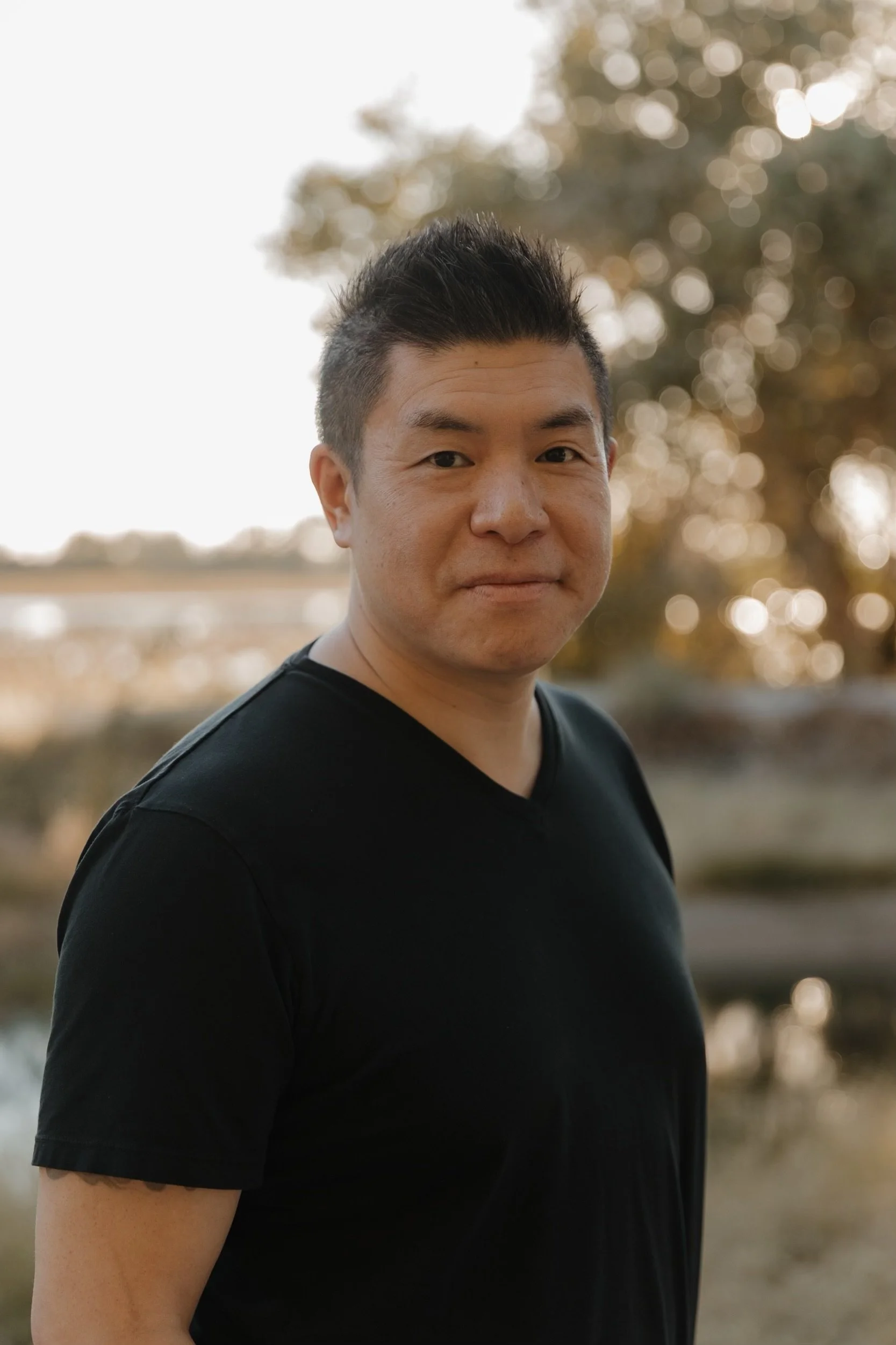
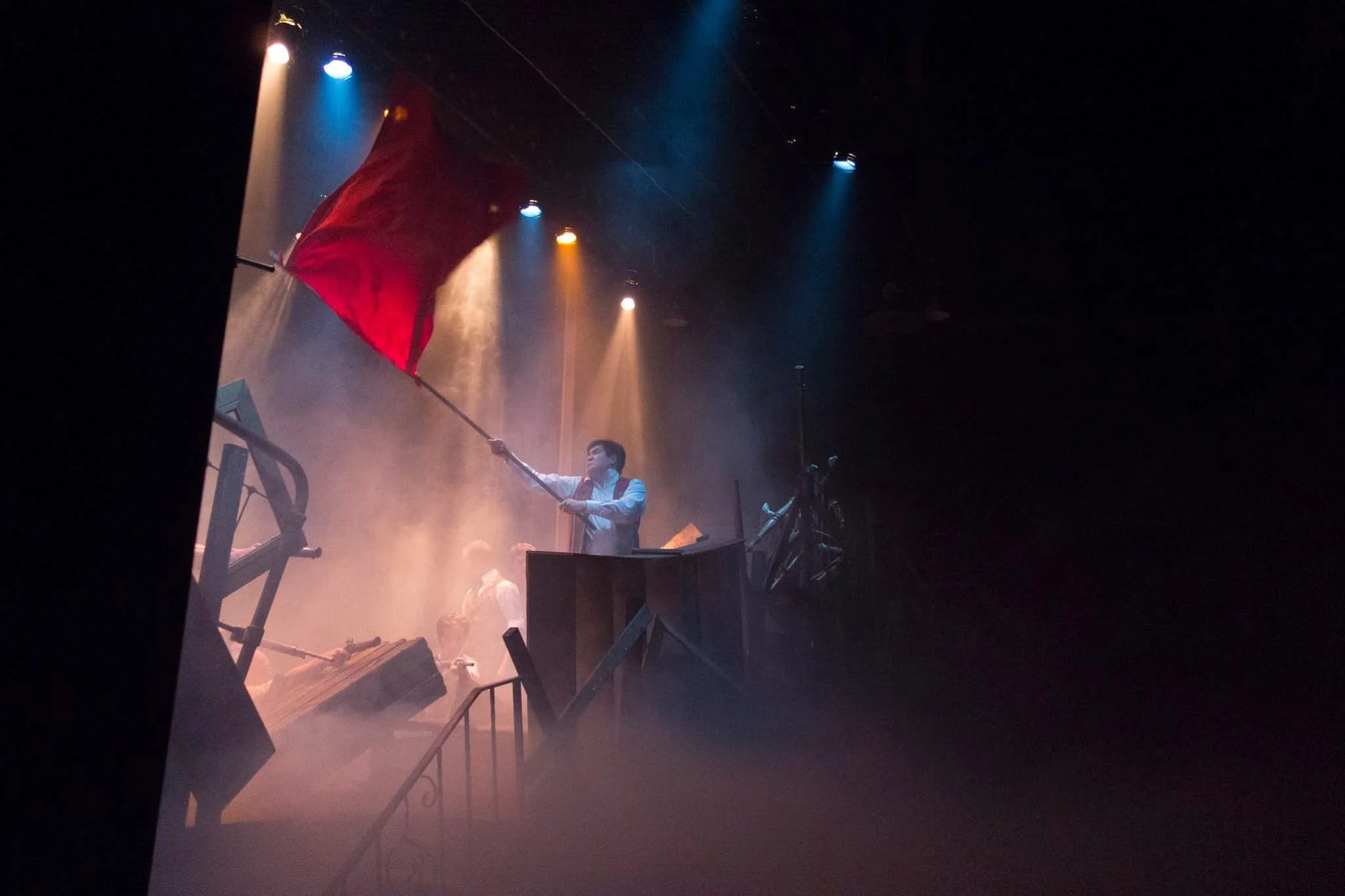
I started my career as a musical theatre performer. I received my BFA in musical theatre from the University of Michigan. I gradated in 2000 and immediately began performing professionally when I was cast in the national tour of Godspell.
I loved the stage—the storytelling, the performance, the transformation that happens when you step into a character and find truth in it. I loved the discipline of the craft and the creative chaos of rehearsals.
But what I discovered that I loved most was teaching.
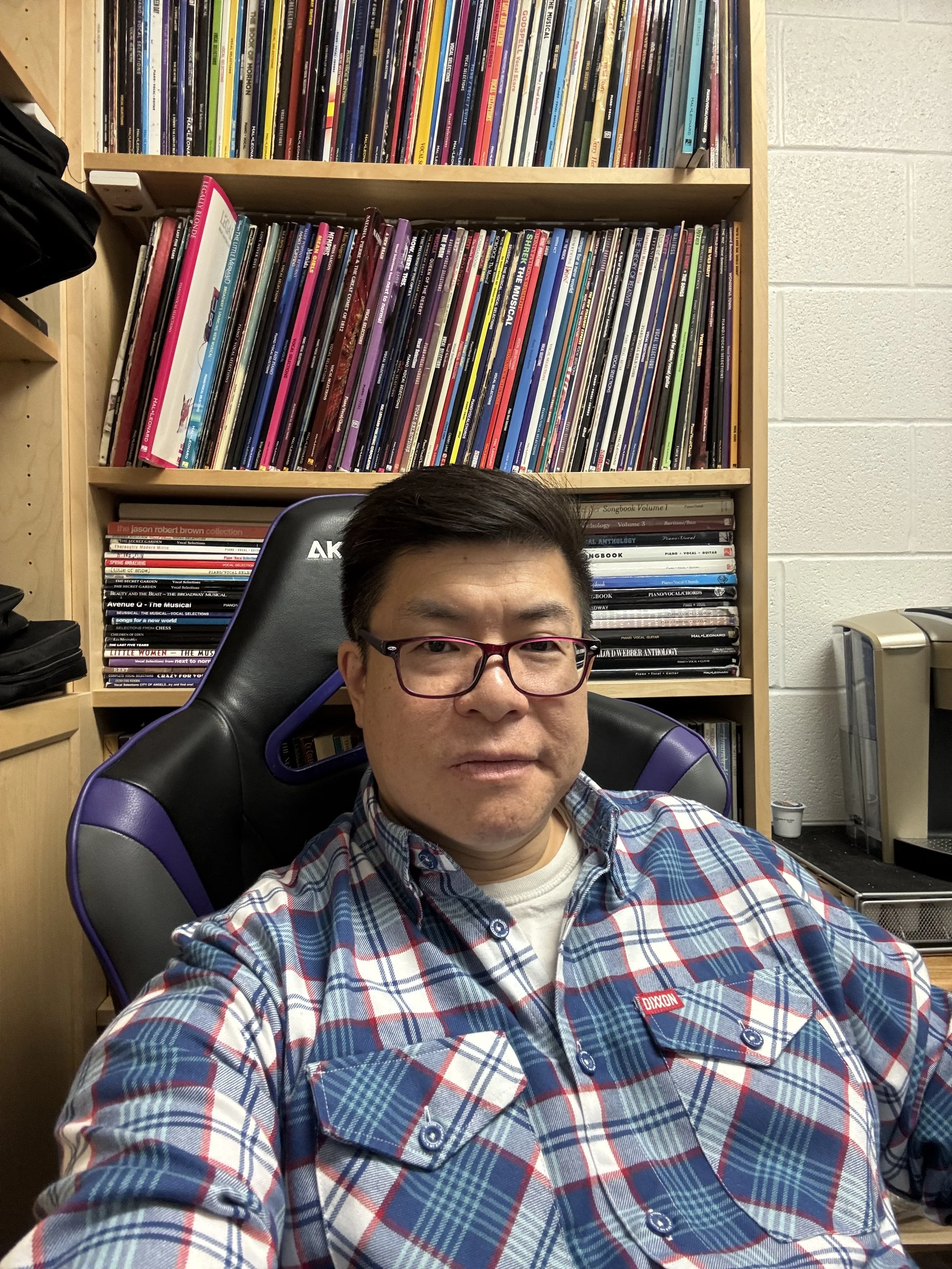
I became a voice teacher 25 years ago, and for 17 of those years, I was a professor. For 7 years, I led a musical theatre program as its head. I worked with hundreds of students—singers, actors, performers—helping them find their voices, literally and metaphorically.
In the voice studio, I learned something profound: everyone's voice is different, and what works for one person's instrument doesn't work for another's.
You can't teach everyone the same technique and expect the same results. You have to listen. You have to observe. You have to adjust your approach to fit the person in front of you.
I watched students struggle when they tried to force their voices into methods that didn't fit their bodies. I watched them blossom when we found approaches that honored how their specific instrument worked.
This became the foundation of everything I do now.
Teaching voice taught me how to listen deeply—not just to sound, but to what's underneath it. To notice patterns. To ask questions that help people discover what they already know in their bodies but haven't yet articulated.
It taught me that sustainable growth doesn't come from forcing yourself into someone else's technique. It comes from understanding yourself and building from there.
And it taught me that the best teaching isn't telling someone what to do—it's helping them discover what works for them.
Master of Arts in Organizational Leadership
I earned my master's in organizational leadership while teaching. I wanted to understand how systems and organizations function, how people move through them, how change actually happens at the structural level—not just the individual level.
I learned about power dynamics, organizational culture, how the "rules" people follow aren't always the written ones. I learned how systems shape behavior, and how most systems are designed for a specific type of person—and everyone else has to work twice as hard to navigate them.
I applied this to academic environments, to theatre productions, to creative spaces. I saw how institutions function and how people—especially those who don't fit the norm—struggle within them.
And I learned something critical: Most systems aren't designed for people like me.
Why I Became a Coach
I became a professional life coach because I wanted to help other people ask that same question.
I kept seeing the same pattern in the people around me:
Neurodivergent adults convinced they're failing because they can't make neurotypical systems work.
Asian Americans crushed under the weight of cultural expectations, family pressure, and the model minority myth.
Creative people drowning in ideas but paralyzed by overwhelm, guilt, and the belief that they have to "pick one thing."
Multi-hyphenates exhausted from juggling too much and feeling like they're not doing any of it well enough.
People who look successful on the outside but feel stuck, overwhelmed, and unclear on the inside.
People who've spent their lives being told what to do—and now they don't even know what they actually want anymore.
I wanted to create space for people to discover their own answers.
Not my answers. Not the productivity guru's answers. Not their family's answers.
Their answers.
What I Bring
Lived experience across multiple identities
I'm neurodivergent, so I understand executive dysfunction, time blindness, sensory overwhelm, the exhaustion of masking, and the shame of "not living up to your potential."
I'm Asian American, so I understand the model minority myth, filial piety, intergenerational pressure, cultural shame around asking for help, and the experience of navigating between two worlds.
I'm a creative multi-hyphenate, so I understand the chaos of having too many ideas, the guilt of not finishing things, the pressure to "pick one path," and the exhaustion of constantly code-switching between different parts of yourself.
I don't just understand these experiences academically. I live them.
25 years of understanding how people actually learn and grow
My background as a voice teacher taught me something fundamental: every instrument is different.
You can't teach everyone the same technique and expect the same results. You have to listen. You have to observe how their specific body, breath, and voice work. You have to adjust your approach to fit the person in front of you.
What works for one singer's voice might damage another's.
This principle applies to everything. Different brains work differently. Different nervous systems work differently. Different cultural contexts shape how people learn and grow.
As a professor for 17 years and head of a musical theatre program for 7, I watched hundreds of students try to force themselves into methods that didn't fit them. I also watched them transform when we found approaches that honored how they actually worked.
I learned to observe patterns, to listen for what's not being said, to notice when someone is trying to force themselves into a system that doesn't fit.
I learned that sustainable change doesn't come from willpower or discipline. It comes from alignment—when what you're doing actually matches who you are and what you want.
What I Believe
You already have the answers.
They're just buried under years of other people's expectations, cultural conditioning, and being told you're wrong.
My job isn't to give you answers. It's to ask questions that help you access your own wisdom.
You don't need fixing.
You're not broken. You're not lazy. You're not undisciplined.
You've been trying to force yourself into systems, goals, and identities that don't fit. Of course that hasn't worked.
You need space to discover what actually fits YOU.
Small clarity leads to big change.
You don't need a complete life overhaul. You don't need to have it all figured out.
You need to understand the next right step. And then the one after that.
Clarity builds. Movement builds. Change happens in layers, not explosions.
Your way is valid.
There's no single "right" way to be productive, successful, balanced, or fulfilled.
The path that works for you—even if it looks nothing like anyone else's path—is the right one.
Questions are more powerful than answers.
The right question at the right time can shift everything.
"What do you actually want?"
"What's really going on here?"
"What would it look like if this were easy?"
"What are you afraid of?"
"What do you already know?"
Sometimes the most powerful thing I can do is ask a question you haven't asked yourself.
You deserve to be seen.
All of you. Not just the parts that are acceptable, successful, or easy to understand.
The neurodivergent part. The cultural part. The creative part. The struggling part. The brilliant part. The exhausted part.
In coaching, you don't have to hide. You don't have to perform. You can just be.
Change requires both compassion and challenge.
I'll validate your experience without making you wrong for struggling.
I'll also gently challenge you when you're stuck in patterns, limiting beliefs, or stories that no longer serve you.
Growth happens in the space between comfort and support.
What It’s Like to Work With Me
I'm direct, but kind.
I listen deeply—not just to what you're saying, but to patterns, themes, and what's underneath the words.
I ask questions that might make you pause. Questions you haven't asked yourself. Questions that open new possibilities.
I won't tell you what to do. I'll partner with you to discover what YOU want to do.
I notice when you're being hard on yourself, and I'll gently point it out.
I celebrate small progress. Because small progress compounds.
I'm grounded in learning science and organizational systems, so I understand how change actually happens—not how motivational speakers say it should happen.
I'm comfortable with silence. Some of the most powerful moments in coaching happen in the pause.
I'm neurodivergent, so I get it when executive function fails, when time blindness hits, when masking is exhausting. You won't get judgment from me.
I'm Asian American, so I understand cultural complexity without you having to explain it.
I'm a multi-hyphenate creative, so I understand when you can't "just pick one thing" and when your brain works in non-linear ways.
I see you. All of you. And I'm here to help you see yourself more clearly.
Professional Background
Certified Professional Life Coach - Certified Life Coach Institute (CLCI)
Master's in Organizational Leadership - Siena Heights University
BFA in Musical Theatre - The University of Michigan
Voice teacher for 25 years
Professor for 17 years
Head of Musical Theatre program for 7 years
Former musical theatre performer
Neurodivergent (ADHD)
Asian American
Multi-hyphenate creative (performer, director, artist, designer, storyteller)
Based in Michigan, USA (serving clients virtually nationwide)
A Few Personal Things
When I'm not coaching, I'm usually:
Creating something (theatre, YouTube content, building projects)
Teaching Voice
Playing the piano or singing
Playing games with my family (video games, card games, board games)
Playing with the dogs
Traveling
Cooking
Drinking too much coffee
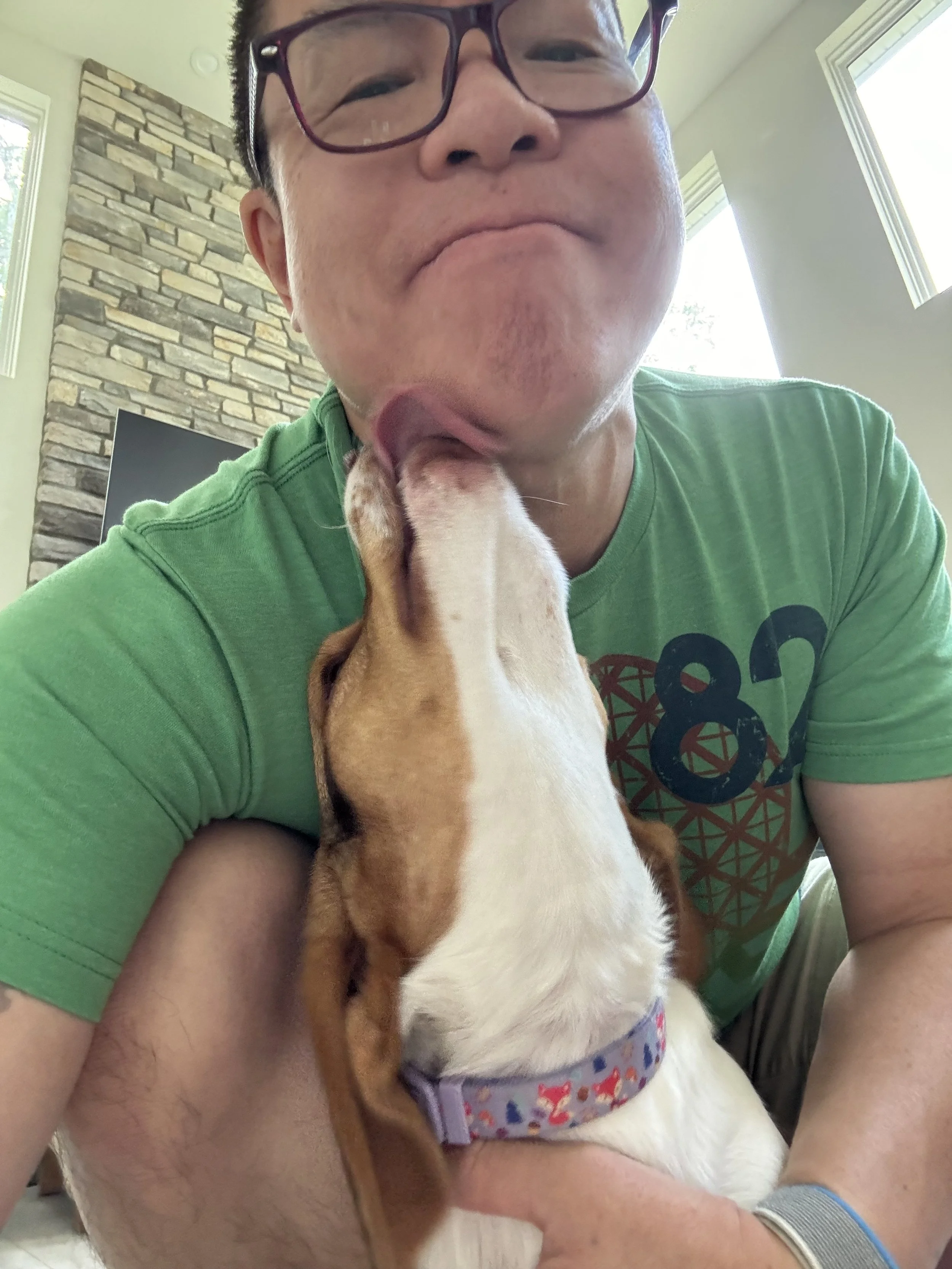
I live in Michigan with my wife, children, and four beagles (yes, four!)
I work virtually, which means I can partner with clients across the country who are looking for someone who truly gets it.
In addition to my work as a professional life coach, I also work as a creative consultant and creative coach through my other company: Purple Door Consulting.
I’m a graduate of the University of Michigan with a BFA in musical theatre. I spent a year touring with the national tour of the musical GODSPELL, where I was also featured on the cast recording. I hold a master’s degree in organizational leadership and I am a certified professional life coach, having received accredited training in ICF methodology and ethical practices.
Why “Short Stack”? (The Pancakes Story)
The name comes from my own neurodivergent experience—specifically, cutting pancakes for my kids.
It should be simple. It takes maybe 30 seconds. But I developed a dread around it.
Why? Because my ADHD brain saw it as so many small steps:
Get the utensils out. Get the syrup. Get the butter. Make a cut. Another cut. Turn the plate. Another cut. Another cut. Wash your hands.
The executive function load felt overwhelming. Even though the actual task is easy and quick, the perceived number of steps created paralysis.
So much so that I'd avoid it. I'd tell myself it was "too many pancakes." I'd feel anxiety about something as simple as cutting pancakes.
This is how neurodivergent brains work. We don't just see "cut the pancakes." We see every micro-step, and the stack feels impossibly tall.
In our family, we started calling these kinds of tasks "pancakes"—all those trivial steps that add up and create avoidance.
When there are too many pancakes stacked up on your plate, you run away from the task. You tell yourself it's too hard. You avoid it entirely.
That's what happens in life too.
You stack up too many worries, too many obligations, too many "shoulds," too many decisions—and suddenly everything feels impossible. You're paralyzed. Not because you're incapable, but because your stack is too tall.
Coaching is about shortening your stack.
We reduce it down to the basic three questions: What do you want? What's in your way? What do you need?
Everything else becomes background noise instead of paralyzing weight.
And when you learn to view things through that lens—wants, obstacles, needed support—you stop creating impossible stacks in the first place.
Short stack. Clear focus. Room to move.
Let’s Talk
If my story resonates with you—if you're tired of forcing yourself into systems that don't fit, if you're ready to discover what you actually want, if you need someone who gets both the neurodivergent and cultural complexity—let's talk.
Book a free 30-minute clarity call. No pressure. No sales pitch. Just honest conversation about where you are and whether coaching might help.
Contact me
Interested in working together? Fill out some info and we will be in touch shortly. We can’t wait to hear from you!